
2025 was another record-breaking year for internal displacement. 32.2 million were internally displaced due to conflict and violence, while 29.9 million were displaced due to disasters. Across 104 countries and territories, 82.2 million people were living in displacement at the end of 2025, many of which are hosted in the Middle East. In addition to the dangers connected to conflict, displaced people are often especially vulnerable to extreme weather events, food and water insecurity, and disease outbreaks. At the same time, climate-related hazards in the region are predicted to increase in the future (see also ESCWA et al., 2017 and Lelieveld et al., 2016). Because of this, the Middle East has become an important region for research on climate vulnerability and adaptation in displacement settings.
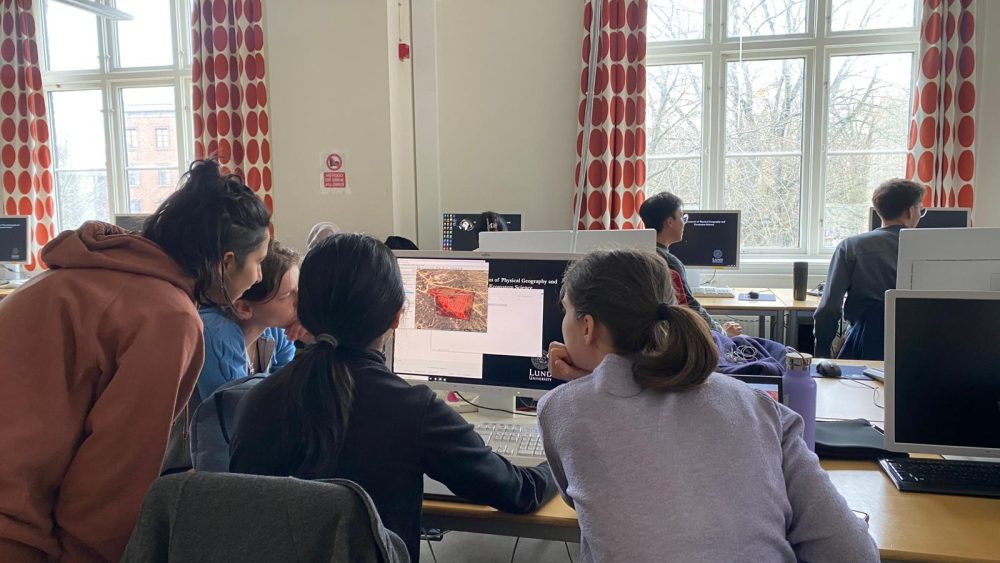
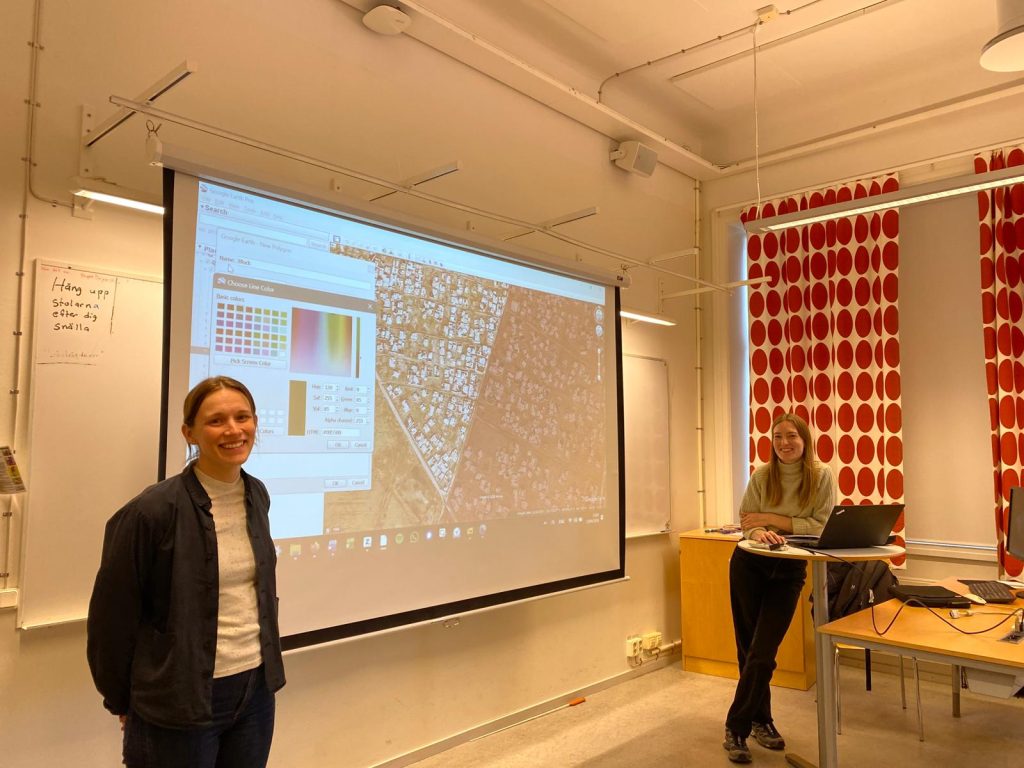
To contribute to this work, we, in collaboration with the Southern Swedish Geographical Society, organized another mapathon! This time, we focused on settlements for displaced people in Iraq and Jordan. Using satellite imagery and Google Earth Pro, participants mapped settlement boundaries and digitized structures within camps. Beyond identifying camp extents and buildings, the mapping also aimed to better understand the internal spatial organization of the settlements and how these environments change over time. This kind of information can help us identify climate-related risks inside camps and explore suitable adaptations. For example, open spaces within camps could potentially be used for vegetation or low-growing agricultural plants, reducing flood risks and increasing food security. Smaller spaces between structures may also be suitable for tree planting, which can give shade during extreme heat, improve local food security, and help absorb excess water during heavy rainfall events.
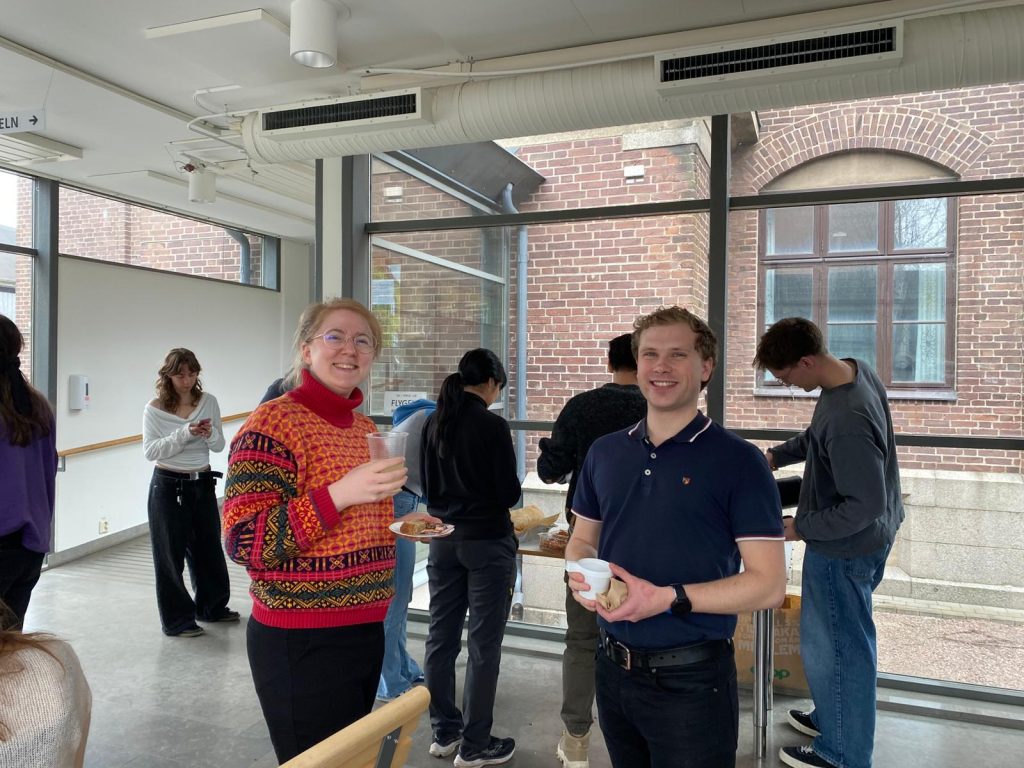
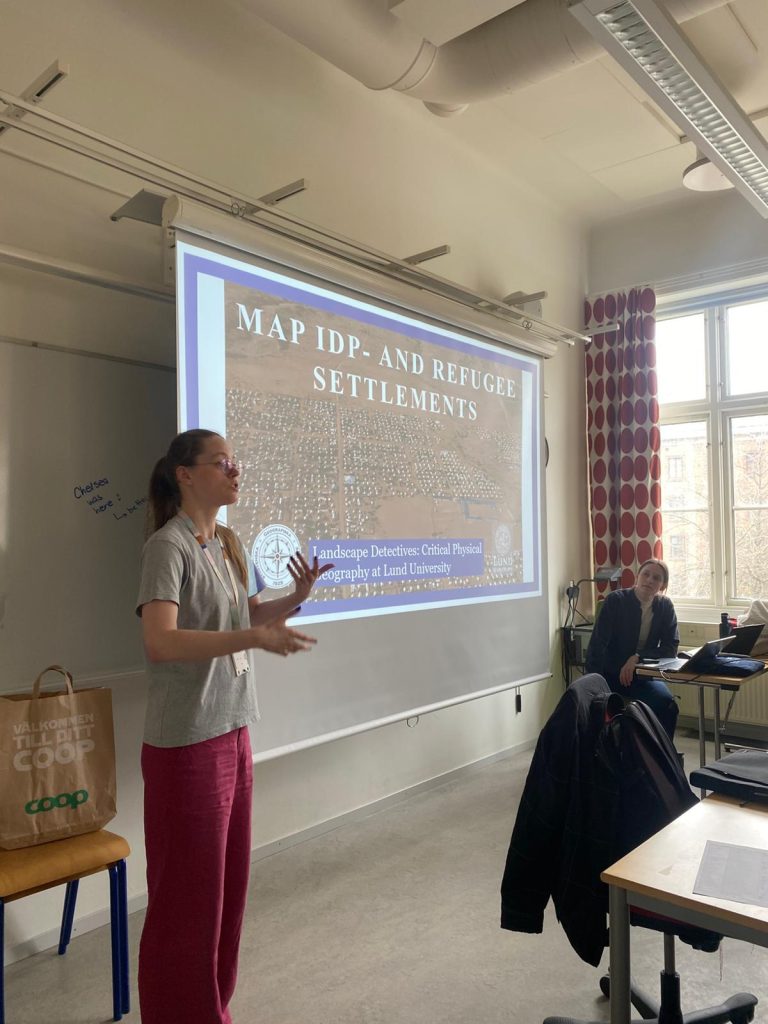
The research related to this event is a part of the project Climate risk and adaptation in the Middle East. We hope that the generated data may support fieldwork, further exposing environmental risks and the potential for adaptation in settlements for displaced people. Finally, we are grateful for the contributions of all participants and happy that so many show an interest in such an important topic!
